

Geology – Stratovolcanoes in Mandelieu!
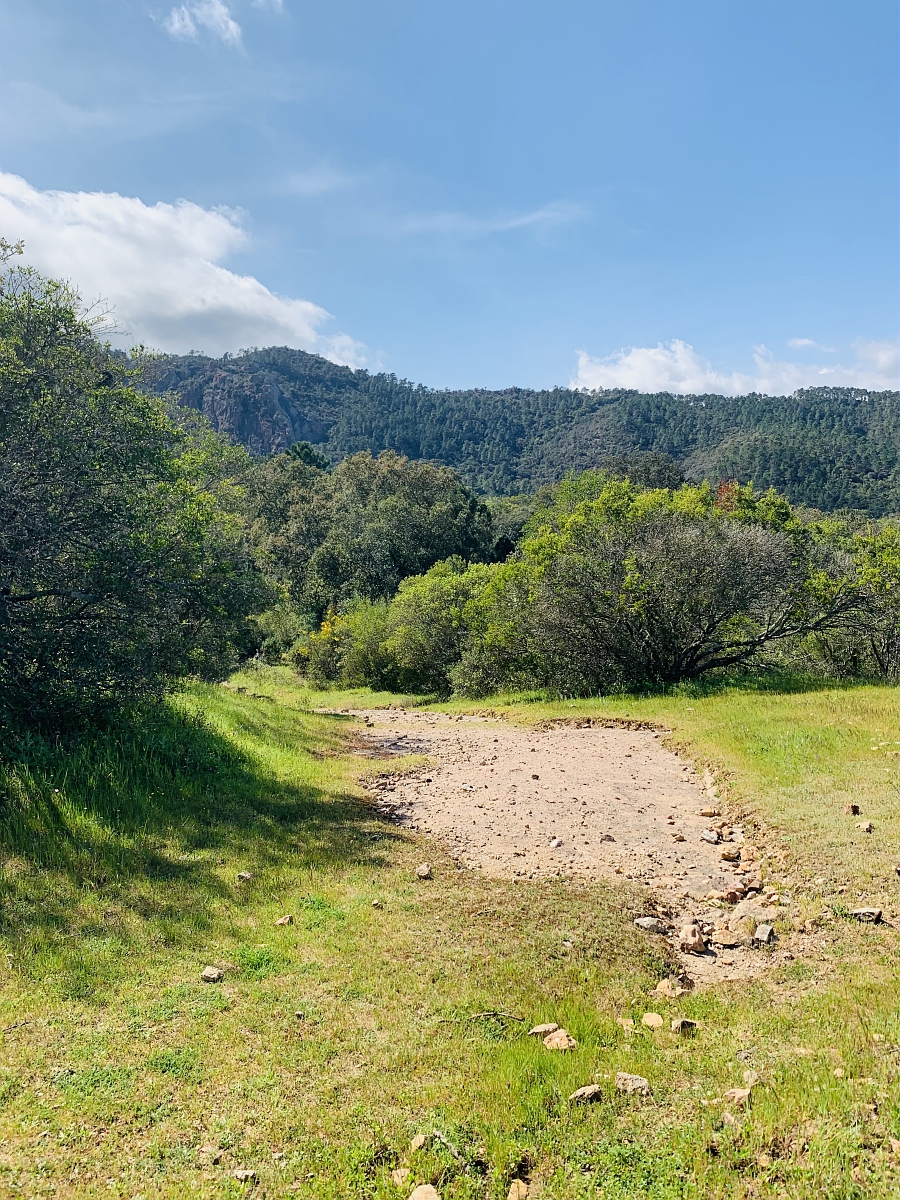
The Mandolocian landscape unfolds with its jagged coastline, its plain traversed by a river, and its polychrome mountains. It was formed nearly 340 million years ago, during the time of metamorphic rocks such as gneiss and granite, which formed the base of what was once a vast Hercynian mountain range almost 3,000 kilometers long. Here we see a magnificent survivor, the Tanneron massif , although now largely eroded.
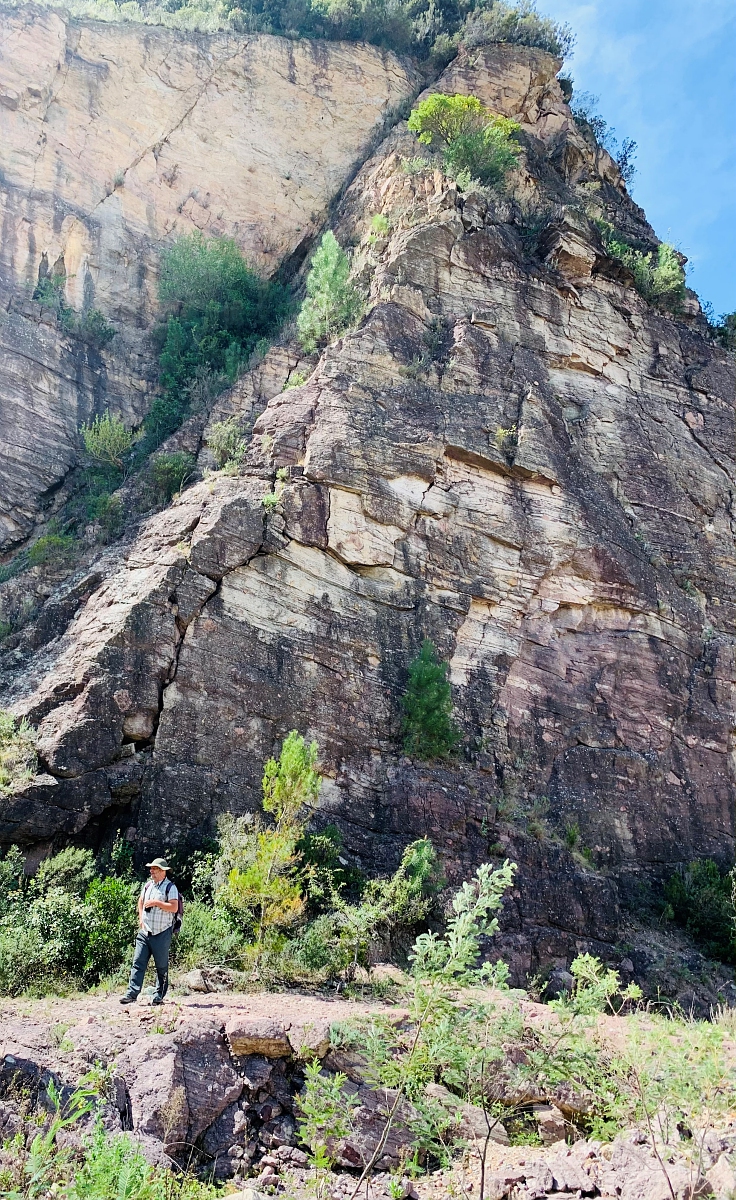
The next stage in the formation of the contemporary landscape dates back to the Carboniferous period, 30 million years later, during which the Earth's crust cracked, creating rifts – faults – where lakes and marshes formed. The tropical climate of the time led to the development of forests that would later fossilize in the form of coal and oil shale.
During the subsequent Permian period, the continental crust stretched, resulting in a universal thinning which, in certain weakened areas, triggered an explosive and massive magmatic upwelling over a long cycle of nearly 30 million years. This upwelling gave rise to the Estérel Massif . The blood-red splendor that characterizes this massif is due to the rhyolites ejected during this extremely violent eruption. Other rhyolites, also ejected here in smaller quantities, exhibit more pastel shades of blue, green, or light gray.
Volcanoes in number
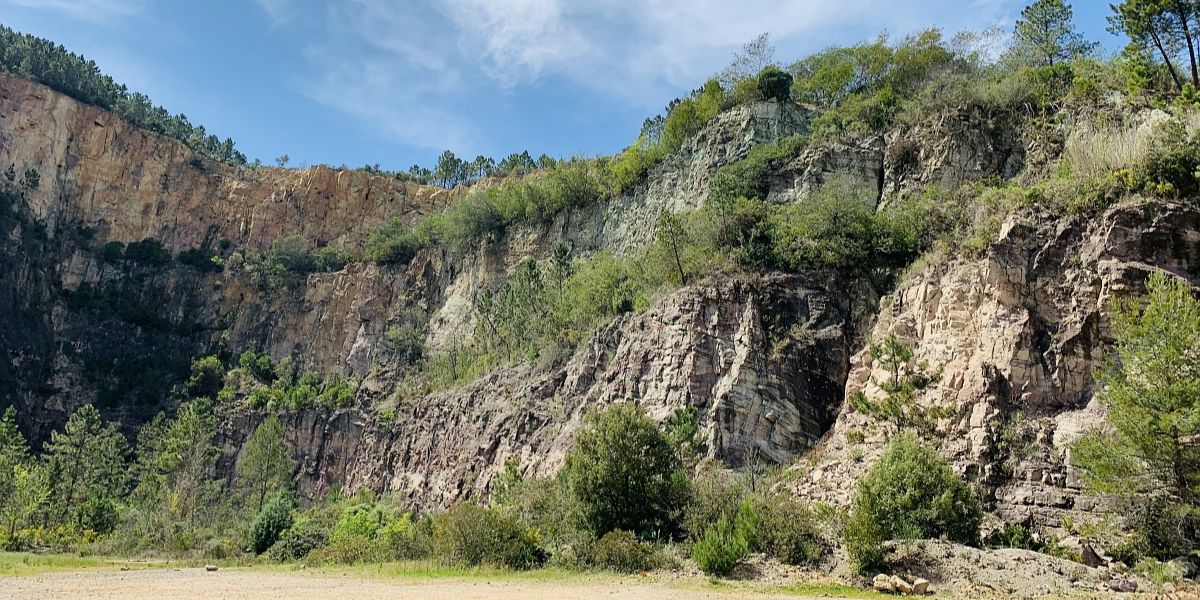
It would take another 70 million years for a new phase of explosive volcanism to occur, giving rise to stratovolcanoes. Mount Vinaigre , rising to 618 meters in the heart of the Estérel Massif, is a perfect example, as is the caldera – from the Portuguese word meaning cauldron – of Maure Vieil . The latter, with a diameter of about two kilometers, resulted from the collapse of a stratovolcano, which created a vast, flat-bottomed depression punctuated by a few trachyte necks. Another 20 million years later, the San Peyre cone emerged. The Rochers des Pendus ( Hanging Rocks), on the coast, originated from the same volcanic phase. And another 10 million years were needed for cooling to lead to the formation of rhyolite organ pipes – columnar prisms – visible notably at Mount Vinaigre.
In short, it took millions of years for this scene to emerge, which owes almost everything to volcanism and the erosion that followed.
Today, the whole area is covered with dense forests and scrubland, which give the area one of its main attractions and make Mandelieu La Napoule the greenest town on the Côte d'Azur.